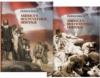
Chronicles the immigration experience of Arab Americans during the late nineteenth and twentieth centuries and their fight to overcome racial prejudice, and contains a timeline and glossary.
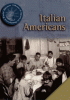
Examines Italian immigration to the United States and their strong cultural communities; and includes charts and graphs, time lines, and information on important people and events.
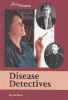
Presents an overview of the bubonic plague, covering its history, scope, diagnosis, treatment, research, and prevention; and includes a glossary, a bibliography, and a list of related organizations.
Discusses the significance and influence of key documents and speeches in the struggle for civil rights in the United States, from Abraham Lincoln's Emancipation Proclamation in 1863 through the assassination of Malcolm X in 1965. Includes quotations, bibliographies, and other reference materials.
An illustrated overview of the onset, progress, and effects of the flu epidemic of 1918, which resulted in the deaths of more than half a million people.
Presents biographical profiles of six medical researchers who have made significant contributions to epidemiology, including John Snow, Louis Pasteur, Walter Reed, Alice Hamilton, C. J. Peters, and Mary-Claire King.
Discusses the rise of Christianity including the Christian revolution and Rome; Christianity's Roman setting and Jewish roots; Jesus, Paul, and the birth of a new faith; the growth and struggles of the early church; Constantine's revolution and Christianity's triumph; Christian thinkers transform the faith and society; and the Christianization of Europe.
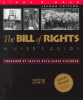
Describes the history and development of the first ten Constitutional amendments, also known as the Bill of Rights, and presents stories of the many people who have helped to keep it a living document.